Herb cabinet
White Willow Bark
Salix alba. A symbolic and practical entry, not a medical monograph.
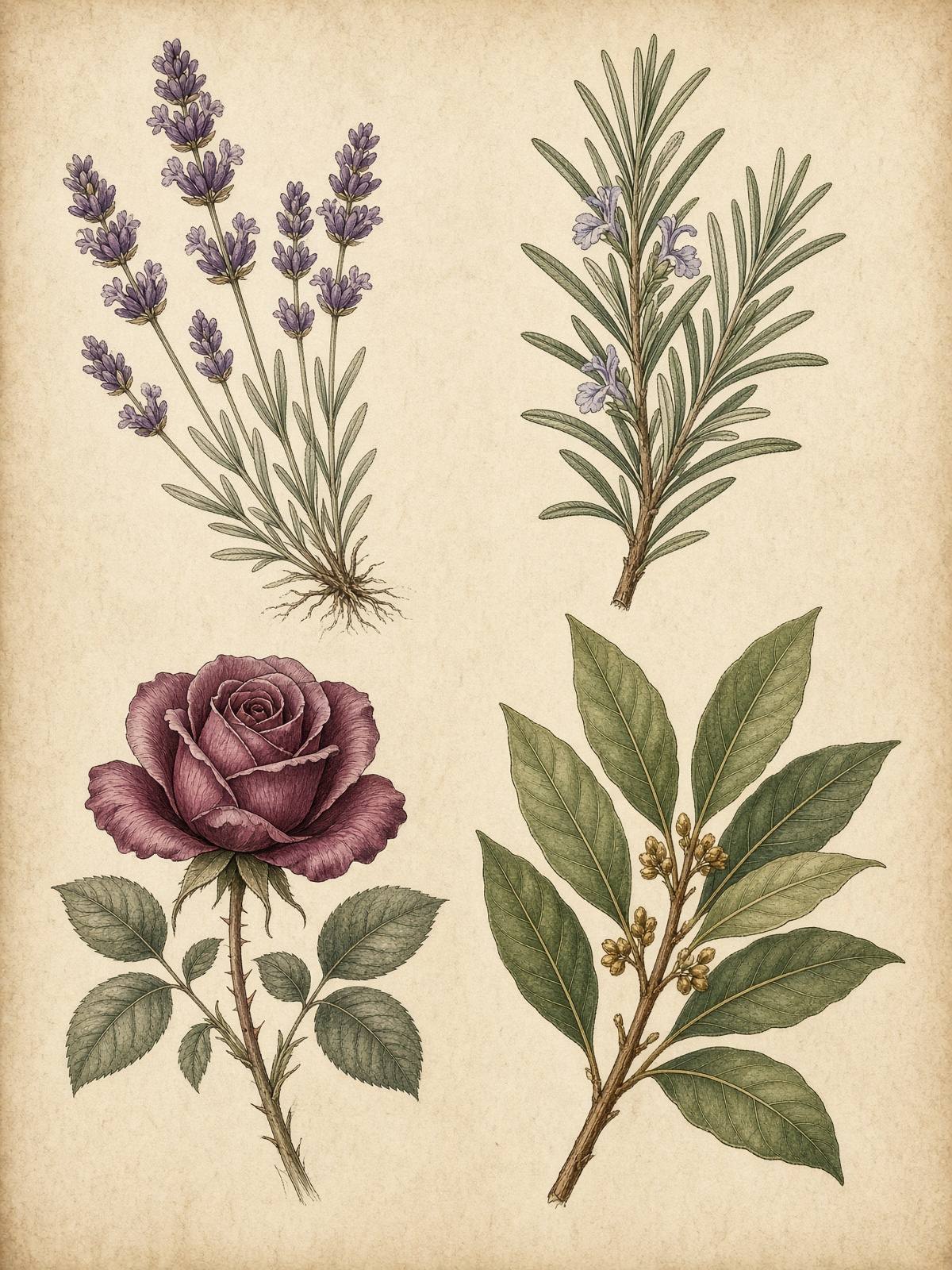
White willow is a large waterside tree with long narrow leaves pale on the underside, which gives the crown a gray-white flash in wind, and with yellow-brown twigs. The bark of older trunks is gray and fissured. A piece of dried bark in a jar is just a hard, bitter fragment; it does not display the tree. This description is not a sufficient identification key.
Names
| Common name | White Willow Bark |
| Botanical name | Salix alba |
| Family | Salicaceae |
| Also called | European white willow, white willow |
| Uncertainty | High if you are holding unlabeled bark. Many willows contain salicylates in varying amounts, hybrids are common, and this page is not a way to identify a drug-quality bark. The living tree, as a tree, is the willow page. |
| Habitat and source | Salix alba is native across Europe and western Asia along rivers and wet ground, and it is widely planted. It grows fast, breaks in storms, and roots readily from cuttings, which is a reason not to leave 'spell bark' in damp soil. |
Symbolic correspondences
| Tag | Attribution |
|---|---|
| Element | Water |
| Planet | Moon |
| Themes | bark unbrewed · pain gets real care · no child dose · a tree left whole |
Folklore and history
Culpeper's catalogue places the willow-tree under the Moon, which is the correspondence this page keeps for the bark as well as for the living willow on its own page. European folk and biblical imagery of waterside trees and of mourning, including the harps hung on the trees of Psalm 137, belong to a long melancholy association; the exact species in that psalm is not securely a white willow. Grieve discusses willow bark in the medical section of her herbal, as her century still did.
The legend that needs retiring is the tidy sentence 'aspirin comes from willow,' offered as if a cup of bark were a softer tablet. In the nineteenth century chemists isolated salicin from willow bark; later work produced acetylsalicylic acid, a different substance with its own risks. The simplification hides that gap. Bark is not a gentle aspirin, not a children's remedy, and not a painkiller this library will recipe. A dry fragment in cloth can stand beside grief or pain as a sign that you will not self-dose. If the body hurts, the next step is real care, rest, and a clinician when the pain deserves one.
Safety
Ritual applications
- A dry bark fragment wrapped in cloth and never soaked
- A written plan for real rest or real care
- A living tree left unstripped
An original working
Bark You Do Not Brew
To acknowledge pain or grief without turning willow bark into a homemade analgesic.
Timing: When you are hurting or grieving and tempted to improvise a remedy. Daytime is better than a sleepless experiment.
- Material: A small piece of dried white willow bark from a fallen branch or a commercial fragment, or a cloth bundle with no bark if anyone in the house is a child, pregnant, or aspirin-allergic
- Material: A square of cloth
- Material: Thread
- Material: Paper and a pen
- Material: A high shelf
- 1If a child, a pregnant person, or anyone with aspirin allergy would be the one near the bark, do not use the plant. Bundle cloth alone.
- 2Wrap the fragment so no one can nibble it. Do not pour hot water over it. Do not put it in the mouth 'to see.'
- 3Write what hurts in plain words, and write the care you will actually use: rest, a clinician, a meal, a friend who can drive.
- 4Read the words. Put the bundle on the high shelf, not under a pillow and not in a cup.
- 5Do the care you wrote, or schedule it before the day ends. The bark does not start working while you wait.
- 6If the pain is an emergency, skip the rest of the rite and get help. A symbol can wait.
I will not brew a tree into a counterfeit tablet. Pain is allowed to be pain, and care is allowed to be care. The bark stays in the cloth.
Close. Keep the bundle sealed on a high shelf or throw it in the household trash. Do not compost it into a garden you might later boil, do not soak it, and do not return it to a child's reach.
A practical action. Drink water, rest, and if the pain needs a professional, contact one today instead of raising a dose of bark that was never a dose.
Substitutions
- A smooth river stone in the same cloth, if bark is the wrong object for your household
- The willow-tree page's fallen twig, kept dry and still unbrewed, if you are working with the living tree rather than the drug-bark
Growing and sourcing
Plant white willow only in a wet, spacious place where a fast, brittle tree will not crack a drain or a neighbor's view, and never plant it for a bark harvest. If one already grows, leave the trunk whole; fallen twigs are the only honest gathering.
Beginner questions
- Is willow bark a natural aspirin I can brew? No. Salicylates are real, the drug aspirin is not the same as bark, and this page forbids a painkiller recipe.
- Can I give it to a child? No. Willow bark is not for children, and it is not for people with aspirin allergy.
- Should I peel a living white willow? No. Stripping bark wounds the tree and still does not make a safe medicine.